Odeda LG Muslim Community Holds Annual Ramadan Lecture, Calls for Peaceful Homes Amid Economic Challenges
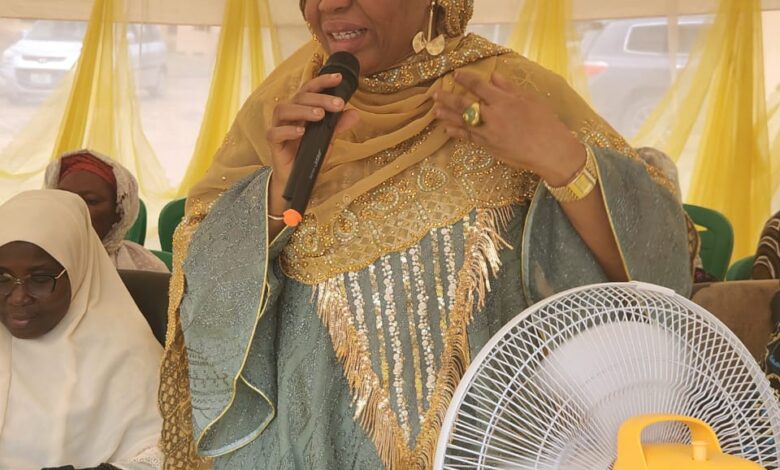
The Muslim Community of the Odeda Local Government Secretariat gathered on Wednesday, March 4, 2026, for its Annual Ramadan Lecture, holding the event at the local government secretariat premises.
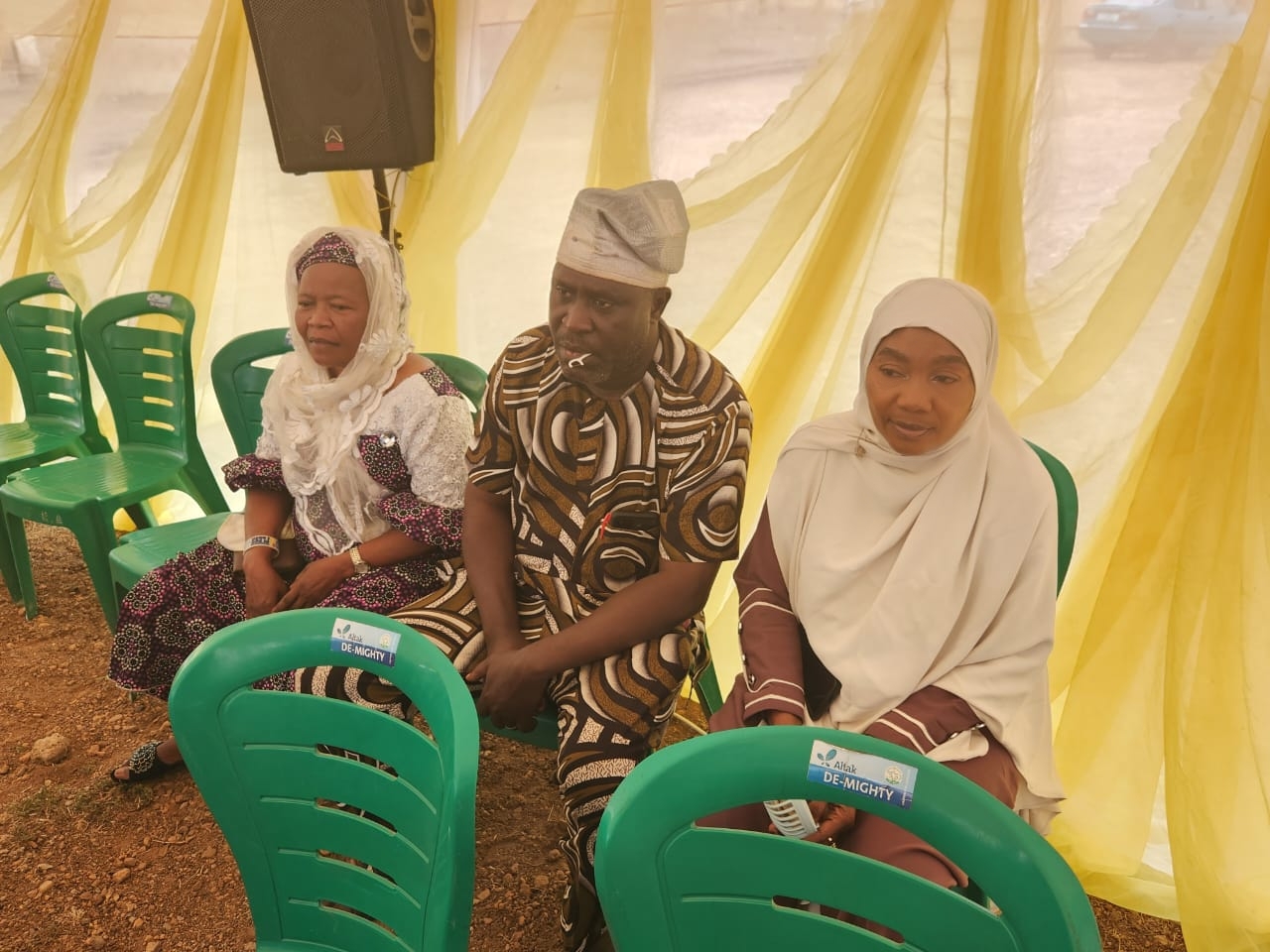
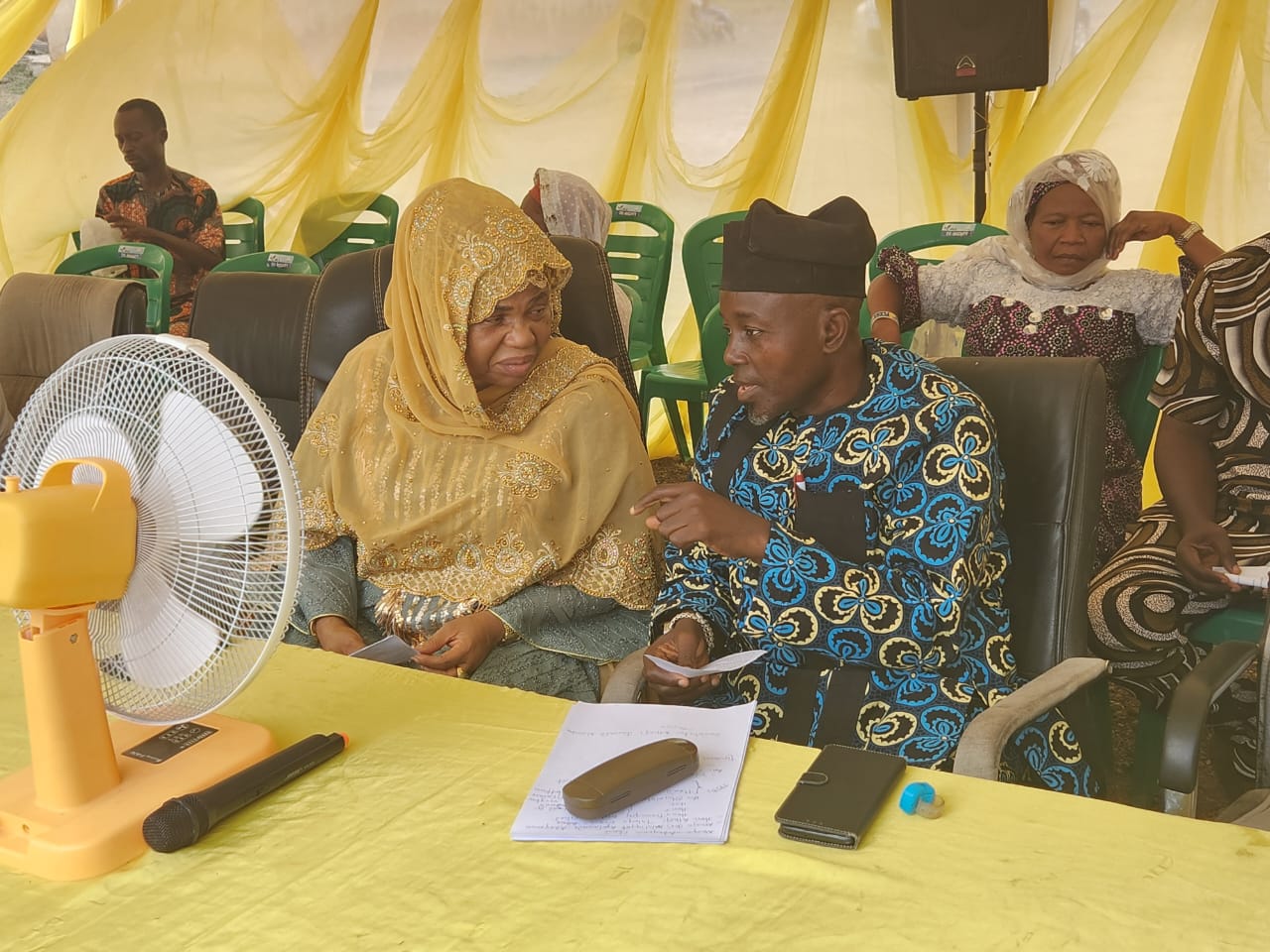




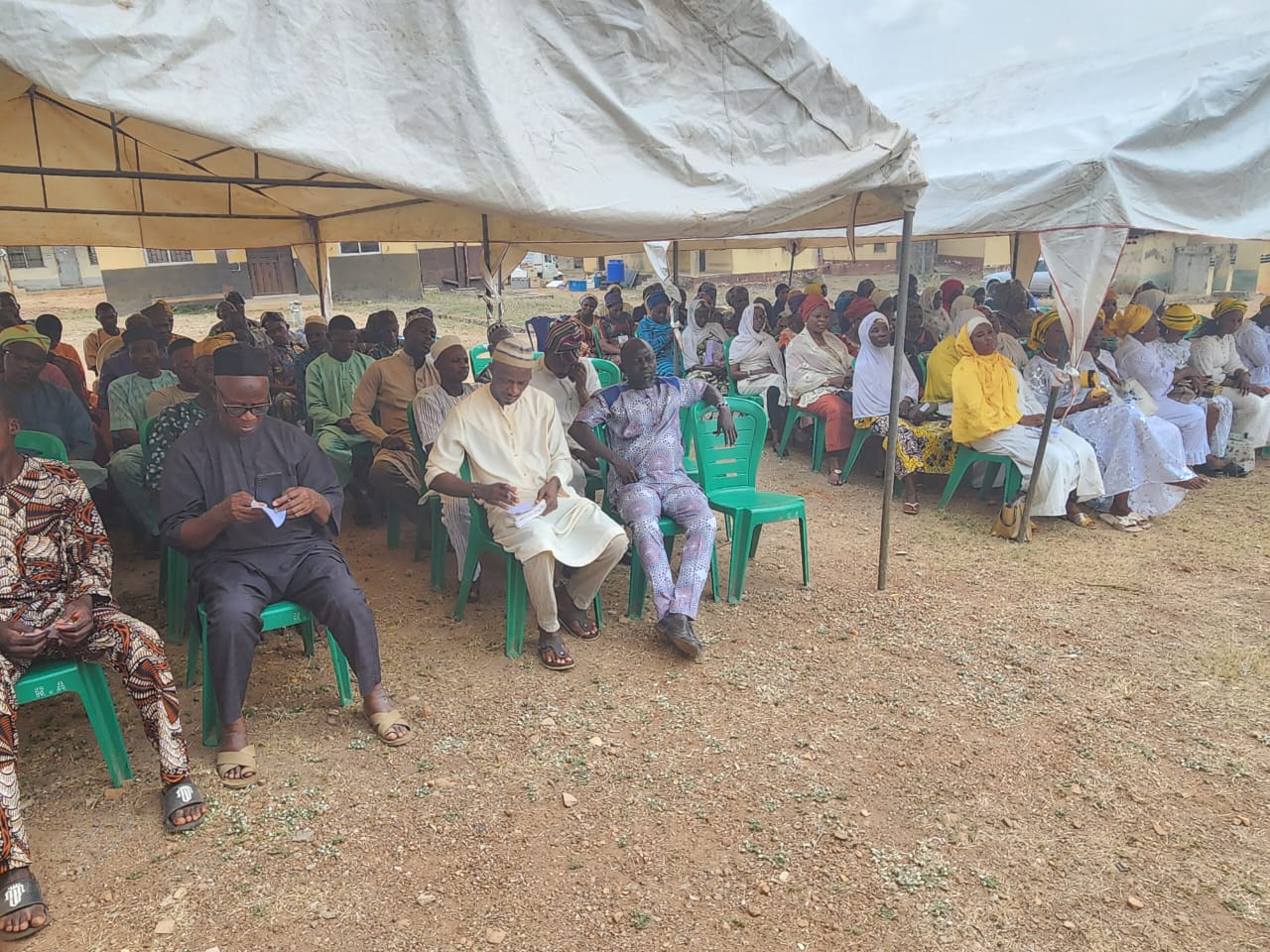
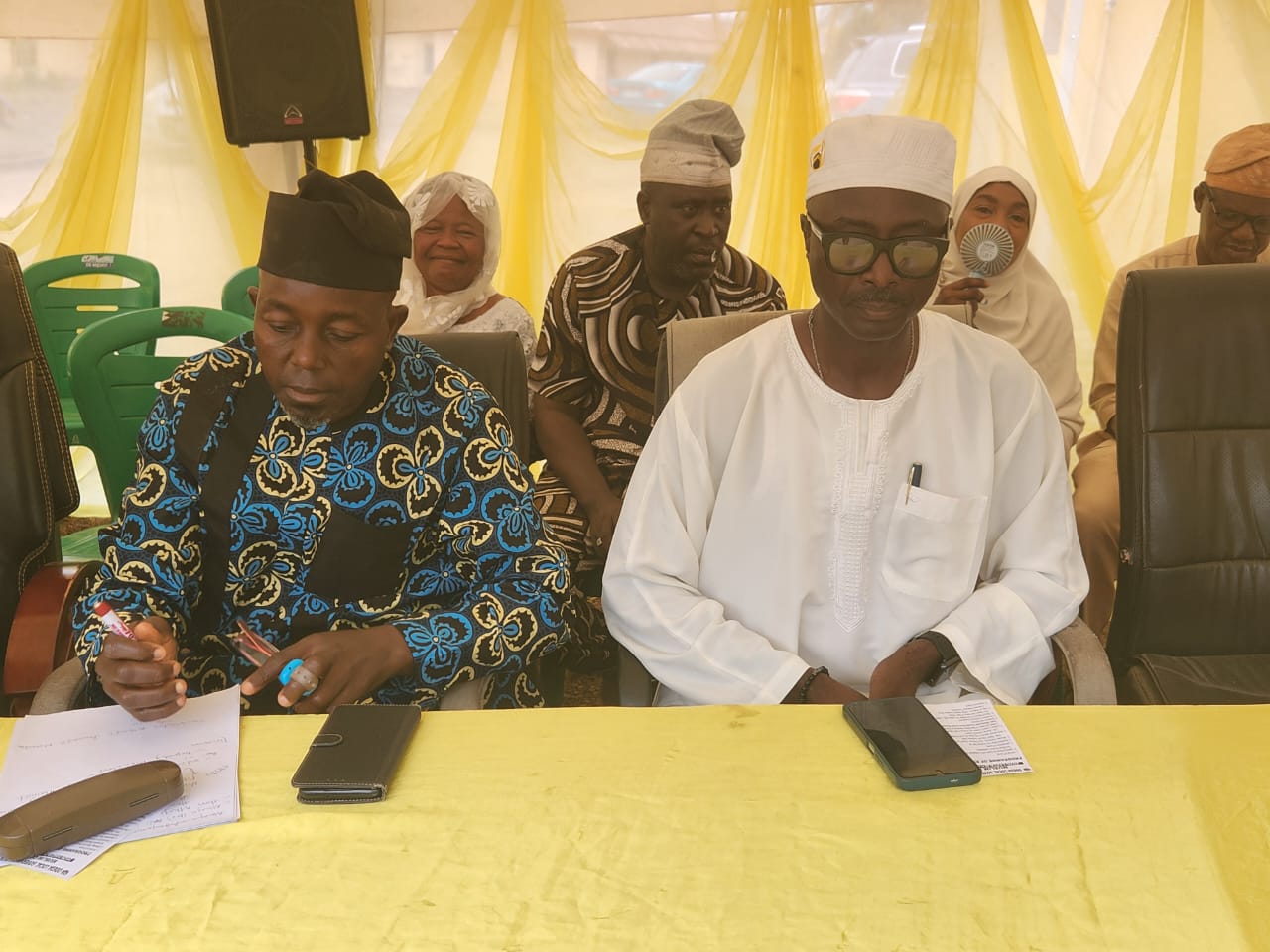
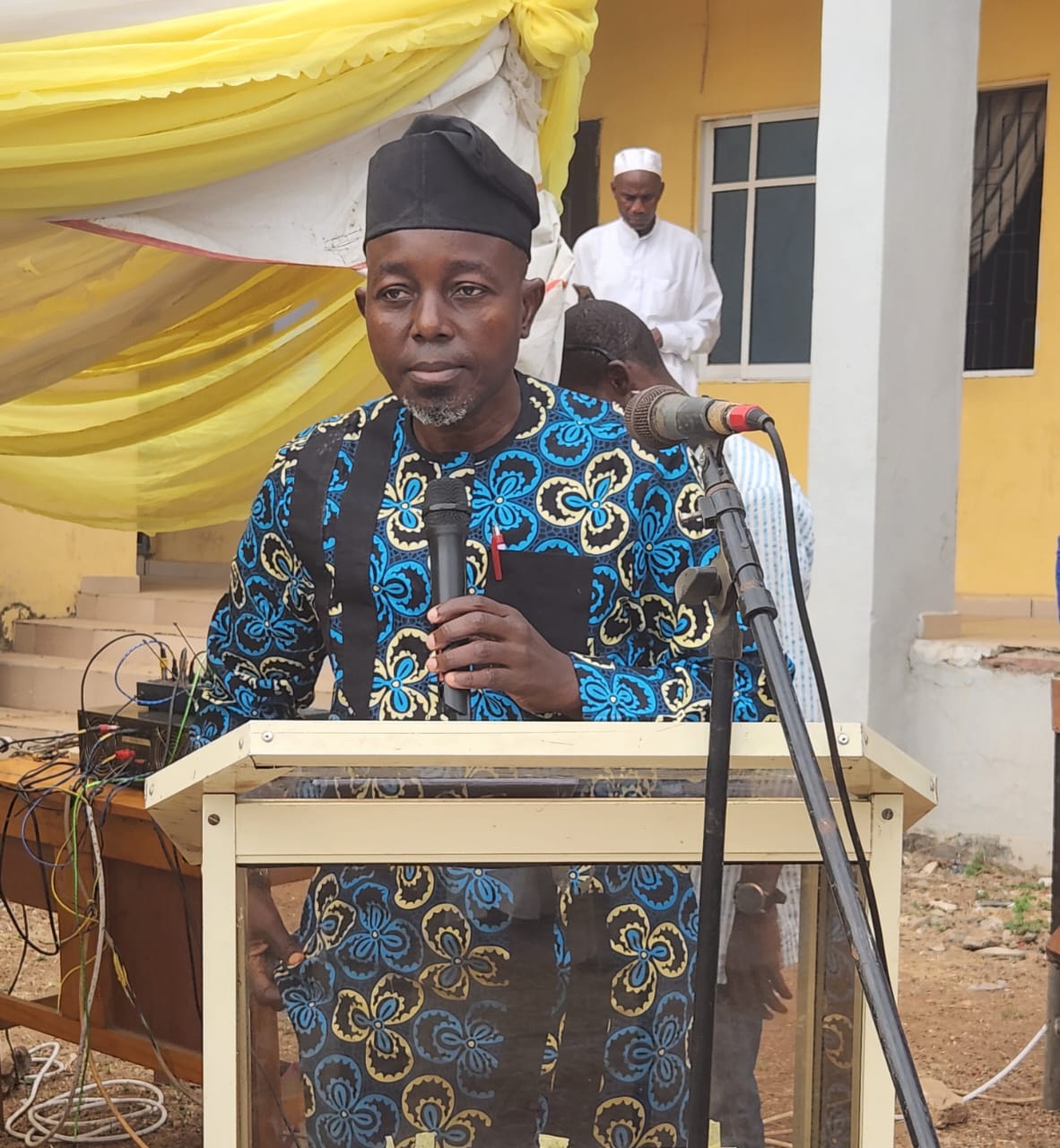
The lecture, themed “Maintaining Peaceful Muslim Home Amidst the Present Economic Situation in Nigeria,” brought together political leaders, religious figures, and secretariat staff for an afternoon of spiritual reflection and practical guidance.
In her welcome address, the Executive Chairman of Odeda Local Government, Dr Waliat Folasade Adeyemo, warmly welcomed guests to the annual gathering. She emphasised that Ramadan is a sacred month of reflection, self-discipline, compassion, and renewed commitment to righteous living. Dr Adeyemo noted that the timing of the lecture was particularly apt, providing an opportunity for all to reflect on how to maintain peaceful homes in the face of prevailing economic realities in the nation.
Also speaking at the event, the Head of Local Government Administration, Odeda Local Government, Mr Oluwole Fateru, expressed sincere appreciation to the Executive Chairman and the guest lecturer for their presence. He described Ramadan as a time for drawing closer to Allah and a season of sacrifice, generosity, and selfless giving. He encouraged all Muslim faithful to use the holy month to strengthen their faith, promote peace within their homes, and extend kindness to others.
Scholar Proffers Solutions for Family Stability
Delivering the keynote lecture, Professor Idris A. Ayinde, Chief Imam of the Federal University of Agriculture, Abeokuta (FUNAAB), provided deep insights into building and maintaining peaceful Muslim households despite economic pressures.
Prof. Ayinde explained that a peaceful Muslim home is built on tranquillity, faith, harmony, and adherence to Islamic principles. He stressed that peace in the home extends beyond physical comfort to encompass an environment where spiritual, emotional, and social well-being can flourish, reminding participants that Allah has made homes a place of rest and comfort.
The guest lecturer outlined six key features of a peaceful Muslim home:
1. Foundation in Faith – Regular remembrance of Allah (dhikr), observance of daily prayers (salah), and Qur’an recitation.
2. Tranquillity and Shelter – The home as a place of rest, privacy, protection, and refuge from external stress.
3. Mutual Love and Respect – Kindness, patience, compassion, and maintaining strong family ties.
4. Cleanliness and Order – Upholding cleanliness as part of faith and ensuring an organised living space.
5. Hospitality and Generosity – Warm reception of guests and extending kindness to neighbours.
6. Avoidance of Harmful Influences – Protecting the home from practices and media that contradict Islamic values.
Addressing Economic Realities
Turning to the current economic situation in Nigeria, Prof. Ayinde described the economy as a paradox, showing resilience with growth projections of about 4.2–4.5% in 2026, yet facing significant challenges. He highlighted key concerns including high inflation eroding purchasing power, rising food and energy prices, uneven job creation, wage stagnation, and structural issues such as power supply, transport infrastructure, and security.
He noted that many families now spend a significant portion of their income on food, transportation, and utilities, making it difficult to afford healthcare, education, and housing. Consequently, many households have adopted coping strategies such as subsistence farming, side businesses, and community support systems.
The lecturer stressed, however, that economic difficulties should not destroy family unity. Rather, Muslim homes should strengthen their reliance on Allah, cultivate patience, and uphold mutual understanding between spouses and family members.
He concluded by reminding participants that a peaceful home is a great blessing from Allah and should be cherished, protected, and nurtured regardless of external pressures.
The lecture served as a moment of deep reflection, spiritual renewal, and collective commitment among members of the Muslim community to build homes rooted in faith, love, and resilience during challenging economic times.
Dignitaries present at the event included the Vice Chairman of Odeda Local Government, Hon. Adigun Yaya Nasiru; Councillors; Supervisors; Directors and Heads of Departments; religious leaders; women leaders; Islamic faithful; and staff of Odeda Local Government.
Reports by Wale Bolarinwa