2027 and the Question of Justice: Deepening the Path of Equity and Shared Progress (2)
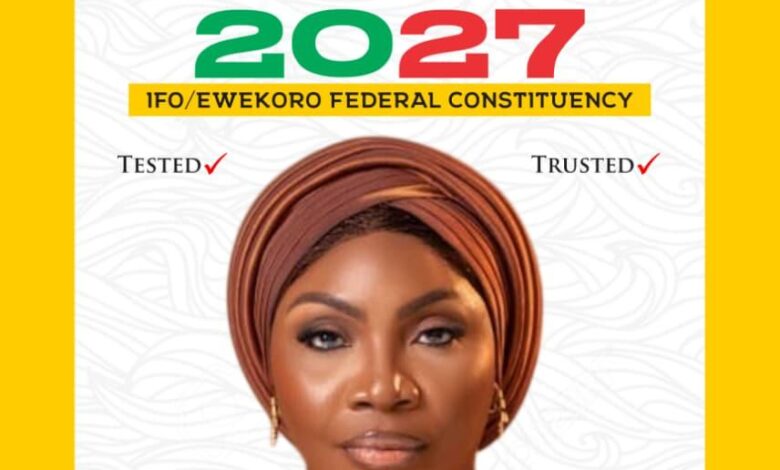
By: Jolaosho Lanre
If history offers us guidance, then responsibility demands that we act on it. The conversation before us is no longer about recalling the past, but about shaping a future that reflects fairness, strengthens unity, and drives meaningful development across Ifo/Ewekoro Federal Constituency. The bond between Ifo and Ewekoro has endured because it has been nurtured on understanding, an understanding that no part should feel perpetually distant from the center of representation.
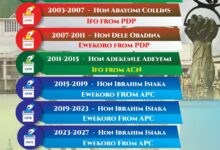
Ifo Local Government today stands as a critical pillar within the Federal Constituency, not only in size, but in its growing contribution to the economic and social landscape of the State. With its two State Constituencies, expanding population, and increasing relevance in commerce and urban growth, Ifo Local Government Area represents a significant share of the Federal Constituency’s present and future. To align representation with this reality is not just fair, it is strategic for sustainable development.


At the same time, the unity of this constituency remains paramount. This is why the call for a return of the mandate to Ifo must be approached with respect, dialogue, and inclusion. Our brothers and sisters in Ewekoro are not opponents in this conversation, they are partners in a shared journey. The progress we seek cannot be built on division; it must be anchored on mutual understanding and a collective commitment to what benefits all.
Leadership at this stage requires more than acknowledgment of facts, it requires deliberate action. It calls for our party leaders to engage widely, consult deeply, and stand firmly on the principles that have guided us thus far. The earlier consensus within Ifo APC is a strong foundation, but its strength will be measured by how it is sustained, projected, and harmonized across the entire Federal Constituency.
As we move forward, the focus must remain clear: to make a decision that preserves balance, strengthens trust, and positions the constituency for broader development. When representation reflects fairness, it unlocks greater participation, fosters inclusion, and deepens confidence in leadership. These are the building blocks of lasting progress.
The moment before us is not one to hesitate, it is one to lead with conviction. By choosing equity, we are not only correcting imbalance; we are laying a stronger foundation for the future of Ifo and Ewekoro alike. And when the story of this period is told, may it reflect a leadership that listened, understood, and acted rightly—for the good of all.